
Sleep apnea is more than loud snoring. It is a sleep condition that affects breathing at night. Many people do not realize they have it until they start feeling very tired during the day. Knowing the early signs can help you look into sleep apnea treatment in Langdon before the problem gets worse.
Sleep apnea happens when your airway becomes blocked or closes while you sleep. This causes short pauses in breathing. These pauses can happen many times in one night. When this happens, your body does not get enough oxygen, and your sleep is disturbed again and again.
What Is Sleep Apnea
There are two main types of sleep apnea.
Obstructive sleep apnea
This is the most common type. It happens when the muscles in the back of your throat relax too much and block the airway.
Central sleep apnea
This type happens when the brain does not send the right signals to control breathing.
Both types can lead to broken sleep and low oxygen levels. Over time, this can put stress on your body and affect your health.
Early Detection of Sleep Apnea Symptoms
Early detection of sleep apnea symptoms is very important. Many people think they are just tired from work or stress. They may not connect their daytime tiredness to a sleep problem.
Common early signs include:
- Loud snoring almost every night
- Pauses in breathing that someone else notices
- Waking up gasping or choking
- Morning headaches
- Dry mouth when you wake up
- Trouble staying asleep
- Feeling tired even after sleeping for several hours
- Daytime signs may include
- Low energy
- Trouble focusing
- Irritability
- Feeling sleepy during meetings or while watching TV
If these symptoms continue, they should not be ignored. Sleep should leave you feeling rested, not exhausted.
Why Treatment Matters
If left untreated, sleep apnea can increase the risk of high blood pressure, heart disease, and diabetes. It can also affect your mood and your ability to think clearly. Ongoing poor sleep may strain relationships and reduce work performance.
Looking into sleep apnea treatment near you can help improve your breathing during sleep. When breathing is steady, your body gets the oxygen it needs. This leads to deeper, more restful sleep and better daily energy.
How Sleep Apnea Is Diagnosed
Diagnosis usually starts with a conversation about your sleep habits and symptoms. You may be asked questions about snoring, tiredness, and morning headaches.
A sleep study may be recommended. This test checks your breathing, oxygen levels, and heart rate while you sleep. It helps confirm whether you have sleep apnea and how severe it is.
A dentist in Langdon may notice signs such as worn teeth from grinding or changes in the jaw linked to breathing issues. An oral exam can provide helpful clues and guide you toward proper testing.
Treatment Options Available
Treatment depends on how severe the condition is.
Lifestyle changes
Losing weight, avoiding alcohol before bed, and sleeping on your side can help in mild cases.
Oral appliances
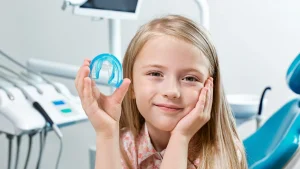
These are custom made devices worn at night. They help keep the airway open by gently moving the jaw forward.
CPAP therapy
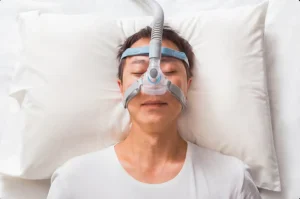
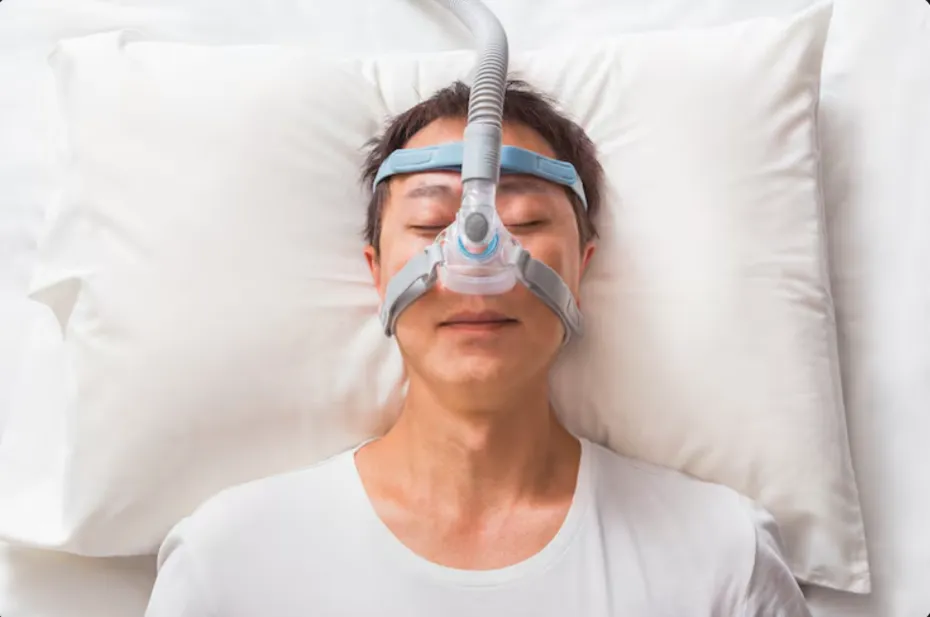
This machine delivers steady air through a mask to keep the airway open during sleep.
Other treatments
In some cases, surgery may be considered if other options do not work.
The goal of sleep apnea treatment in Langdon is to help you breathe normally at night and wake up feeling refreshed.
When to Seek Help
You should consider an evaluation if you notice
- Loud snoring that does not stop
- Severe daytime sleepiness
- Headaches most mornings
- Mood changes or trouble concentrating
- Reports from a partner about breathing pauses
Visiting a dental clinic near you can be a good starting point. Dentists can notice signs related to airway health and help guide you to the right care.
Better Sleep Can Change Your Day
Many people feel a big difference once their sleep improves. They often report better focus, improved mood, and more energy. Treating sleep apnea not only helps at night but also supports heart health and overall well-being.
Take the First Step Toward Better Sleep
If you are concerned about your sleep or notice these signs, we at Langdon Dental are here to help. Schedule a visit and take a positive step toward healthier sleep and more energy each day.
💤 Wake up feeling refreshed with quality sleep apnea care. Find your way to Langdon Dental.
Frequently Asked Questions
- What are the most common symptoms indicating sleep apnea?
Common symptoms include loud snoring, pauses in breathing during sleep, gasping for air, morning headaches, dry mouth, and feeling tired during the day even after sleeping.
- Can sleep apnea treatment improve overall health and energy levels?
Yes. Proper treatment often improves sleep quality, boosts energy, supports heart health, and helps with focus and mood.
- How is sleep apnea diagnosed by a dentist or specialist?
Diagnosis usually involves reviewing symptoms and completing a sleep study. A dentist may notice oral signs and recommend further testing.
- What treatment options are available for mild vs. severe sleep apnea?
Mild cases may improve with lifestyle changes or oral appliances. Moderate to severe cases often require CPAP therapy or other advanced treatments.